Connecticut Beauty Salon Insurance

See How We're Different
or call us: (203) 269-9565
A wrong brushstroke or a missed detail can evolve into a costly mishap for Connecticut salon owners. With the beauty industry expanding and evolving, professionals face increasing exposure to risks that demand a robust set of insurance coverages. A look at recent market trends and regulatory changes, including innovative solutions like captive insurance options introduced by the Connecticut Insurance Department in July 2024 (CT Post), underscores the need for tailored insurance policies that protect both clients and service providers.
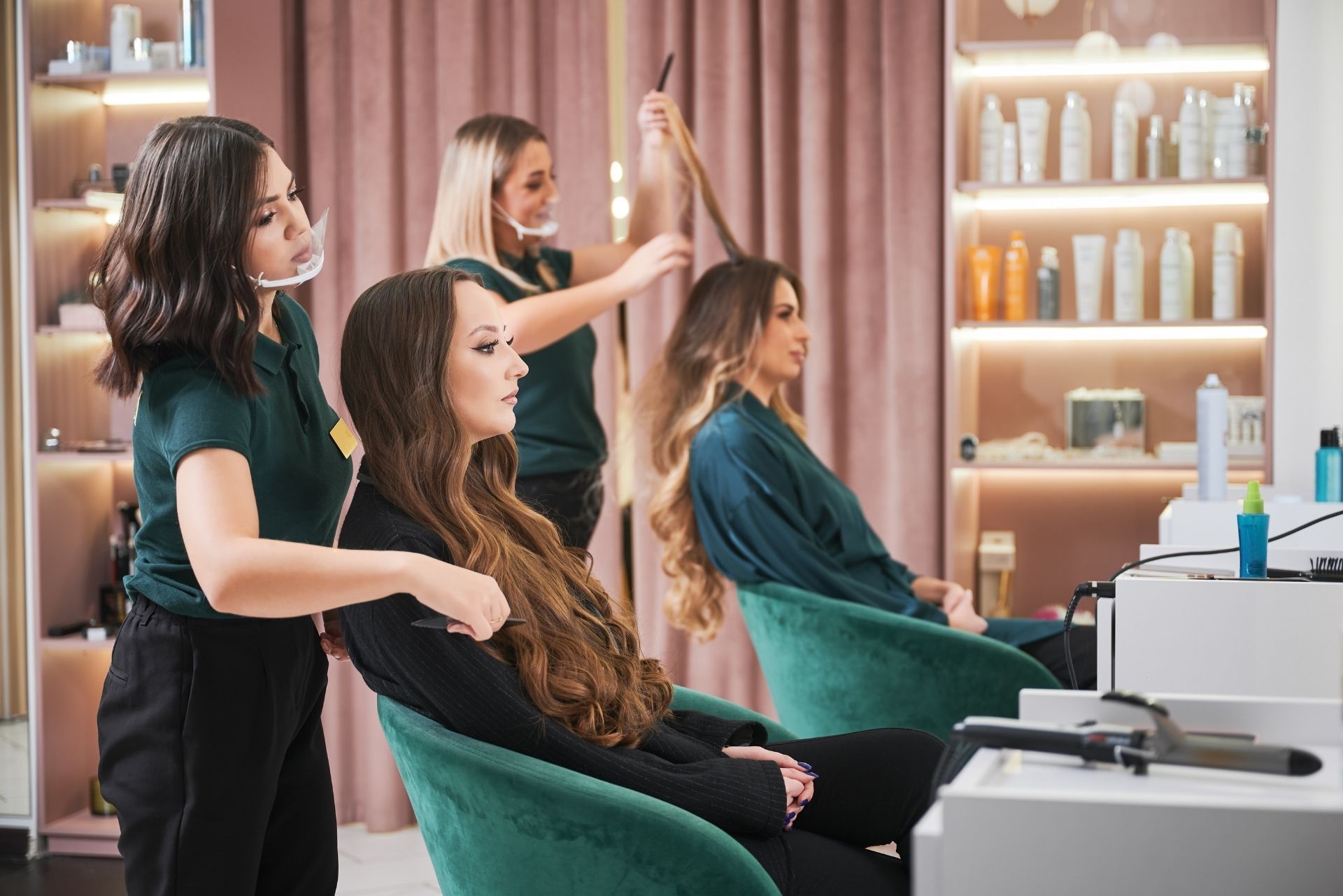
Salons in Connecticut have become hubs of activity that encompass everything from traditional beauty services to advanced cosmetology techniques. With these diverse offerings come unique challenges that require precise planning and comprehensive coverage solutions.
The Evolving Landscape of Connecticut Beauty Salons
Connecticut’s beauty industry is experiencing noteworthy growth. According to recent reports, the number of salons and beauty establishments has surged over the past few years. This expansion is partly driven by consumer demand for quality services and the industry’s ability to adapt to modern trends (Business Research Insights). Alongside this growth, salon owners must navigate an increasingly complex terrain of legal regulations, client expectations, and operational risks.
This evolution is highlighted by changing consumer behavior-clients not only seek quality hair styling or makeup services, but also demand a safe and professional environment. As salons expand their offerings to include nail services, spa treatments, and advanced esthetic procedures, the scope for risk multiplies. Every service provided comes with its own set of uncertainties that must be addressed through the right insurance coverage.
In Connecticut, services range from those offered in upscale spas to smaller, locally operated salons, including in-home setups (NACAMS). This variety creates its own insurance challenges, from ensuring the safety of a high-end spa to protecting a freelance esthetician working out of a home-based setting.
Understanding the Insurance Needs for Beauty Salons
Beauty salon owners must consider several unique risks when it comes to insurance. Liability claims, client injuries, equipment damage, and professional errors all pose potential financial and reputational risks. For a practical example, consider that nearly half of salons-42%-reported at least one client injury incident over the past two years (Business Research Insights). This statistic highlights the necessity of having comprehensive liability insurance at the helm of risk management strategies.
Esthetician liability insurance coverage isn’t just a recommendation-it’s a necessity. Insurance policies that combine general liability with professional liability ensure that business owners are prepared not only for physical accidents but also for claims arising from professional missteps. Whether operating a small boutique or a thriving salon chain, misfortune can strike unexpectedly; therefore, protecting against both property damage and personal injury is crucial.
Salon professionals often operate under the scrutiny of both regulatory standards and client expectations. Relying solely on a general liability policy may leave critical gaps. Thus, many industry experts advise a layered insurance strategy that includes general business insurance, professional liability insurance, and even specialized esthetician liability coverage (The Hartford). This approach caters not only to the general business risks but also addresses the nuances of beauty and cosmetology services.
Risks Facing Beauty Salons
Client Injuries and Liability Claims
Client injuries are perhaps the most immediate concern for saloon owners. Even a minor slip or a misapplied chemical product can result in injuries that lead to liability claims. With 42% of salons reporting client injuries, it is evident that the industry must prepare for potential accidents (Business Research Insights). When such mishaps occur, the subsequent claims can escalate from property damage to personal injury lawsuits. Therefore, ensuring that a salon is covered by comprehensive general liability and professional liability insurance is essential.
Many incidents occur unexpectedly, and the legal costs associated with defending a claim can be substantial. The financial and operational repercussions of a lawsuit can impede the daily workings of a salon, affecting both staff morale and client trust. Insuring against such eventualities not only protects assets but also serves as a safety net that allows business owners to carry out their work without constant worry about what might go wrong.
An important element in managing these risks is understanding that not all claims involve severe injuries. Even minor incidents can escalate if a client decides to pursue legal action. Having tailored insurance that encompasses a range of potential liabilities, including bodily injury and property damage, ensures that salons remain financially resilient in the face of unpredictable crises.
Operational and Environmental Risks
Running a beauty salon involves more than just client interactions; it requires expertly managing operational complexities. From equipment malfunction to supply chain disruptions, the professional landscape of a salon often involves scenarios that can affect daily operations. As services become more specialized, the technology and tools used in treatments must be protected.
Regular cosmetic and spa treatments use state-of-the-art machinery and proprietary products, making them particularly vulnerable to operational risks. Damage to expensive equipment can halt services, leading to a loss in revenue and negatively impacting customer satisfaction. This is why business interruption insurance and equipment coverage are essential components of any comprehensive policy.
The physical environment of a salon also plays a role. Many salons operate in rented spaces which may be susceptible to external risks such as water damage or fire. Integrating property insurance into a salon’s portfolio is an effective way to allow for prompt recovery from unforeseen incidents.

Beauty salons in Connecticut have specific needs that distinguish them from similar businesses in other states. The unique blend of high-end services and casual, neighborhood salons means coverage options must be adaptable. Customized policies provide room for flexibility, tailoring coverage to the size and scope of operations. For instance, small salons may focus on general liability and property protection, while larger chains might need additional coverages such as workers’ compensation for a larger staff.
One innovative option available recently in Connecticut involves captive insurance. This option allows businesses to create their own insurance program, potentially offering more affordable coverage than traditional insurance policies (CT Post). Captive insurance has rapidly gained recognition for its flexibility and cost-effectiveness, making it a worthwhile consideration for salons that are looking to optimize their insurance portfolios while effectively managing risk.
Beyond the standard general and professional liability policies, additional coverage options might include product liability insurance. Given the nature of salon services, products used on clients may occasionally react unpredictably, triggering adverse reactions. A comprehensive policy addresses this risk, ensuring that any claims related to product mishandling or allergic reactions are covered.
Special Considerations for Licensed versus Unlicensed Technicians
Connecticut’s beauty industry comprises a diverse group of professionals, including licensed cosmetologists and unlicensed nail technicians. While business owners may assume that licensed technicians deliver consistently higher quality services, studies have shown that customer satisfaction levels do not differ significantly between the two groups (Institute for Justice). This finding encourages salon owners to implement comprehensive risk management practices that do not strictly rely on licensing status.
Despite the data, regulatory scrutiny tends to emphasize licensed professionals. A prominent voice in Connecticut’s beauty scene, Tara Swagger, a Connecticut salon owner, has highlighted the concerns over improper work by some technicians, pointing out that not every licensed professional upholds the highest standards of practice (CT Mirror). This underscores an important insurance takeaway: regardless of licensing, incorporating robust liability coverage is vital for any salon providing beauty services.
Salon owners can address these discrepancies by implementing stringent hiring practices and ongoing training sessions. However, insurance remains the last line of defense should an incident occur. Comprehensive policies that cover clinical mistakes as well as client injuries provide essential peace of mind and foster a safer environment for both service providers and their clients.
Comparing Basic and Extended Coverage for Salons
Salon owners can choose from several coverage packages that vary based on the complexity of their operations. A basic package typically includes general liability, property, and equipment coverage. Extended packages might encompass specialized product liability, professional liability, and even business interruption coverage. Below is a comparative table that outlines the distinctions between a basic and an extended coverage plan:
| Coverage Type | Basic Plan | Extended Plan |
|---|---|---|
| General Liability | Included | Included (with higher limits) |
| Property and Equipment | Included | Expanded to include high-value items |
| Professional Liability | Standard coverage | Enhanced coverage for claims against professional errors |
| Product Liability | Limited or not covered | Comprehensive product coverage |
| Business Interruption | Optional add-on | Integrated coverage with quicker claim processes |
This chart exemplifies the need to evaluate each risk factor carefully. Salon owners must analyze their business model and potential exposure to determine which coverage type aligns best with their operational needs. Those with a broader range of services might find that the extended plan offers the necessary protection to shield against unexpected claims.
Establishing the right insurance strategy is not a one-size-fits-all effort. Each salon’s fingerprint is different, and optimal coverage frequently results from combining multiple policies to address individual vulnerabilities.
Impact of Regulatory Changes and Captive Insurance on Coverage Options
Connecticut’s regulatory environment plays a crucial role in shaping insurance products tailored for beauty salons. Recent regulatory updates, particularly the introduction of captive insurance regulations in July 2024 (CT Post), have provided business owners with new opportunities to access more affordable and customized coverage options.
Captive insurance allows a salon to essentially self-insure certain risks, reducing the premiums that might otherwise be paid to traditional insurers. This regulatory shift has been beneficial for businesses looking to control costs while maintaining robust risk management strategies. It is an appealing option for establishments with enough volume to support a captive insurance program.
The new captive insurance regulations have given salon owners greater flexibility by enabling them to tailor their risk management solutions. With these changes, it is possible to construct insurance portfolios that better reflect the specific hazards of running a beauty salon, ranging from client injury claims to product liability.
Adopting a layered insurance strategy means understanding that one policy may not cover all eventualities. For instance, a salon might combine general liability, professional liability, and property insurance into a cohesive protective measure. A layered approach relies on the concept that multiple policies can address different aspects of risk, reducing the likelihood of any single claim causing significant financial strain.
This method is particularly important in the beauty industry, where many services involve both technical procedures and high-end products. Policies need to be harmonized to ensure there is no gap in coverage, allowing for a more complete safety net. For example, a misstep in a cosmetic procedure might require a professional liability claim, while equipment damage is managed under property insurance.
A prioritized approach to layering coverages results in fewer overlaps and better distribution of risk. This means that salon owners should assess their current risks periodically, updating their policies to cover emerging risks and potentially incorporating new elements such as cyber liability if client data becomes digitally stored and vulnerable.
Real-World Challenges and Insurance Solutions
Every day in a busy salon, risks become real. For some, a misapplied beauty treatment leads to unforeseen client reactions; for others, faulty equipment or a slip-and-fall incident may result in a lawsuit. The reality is that the beauty industry is rife with unpredictable challenges that require a proactive approach to insurance.
Expert insights within the industry highlight that even licensed professionals are not immune to mistakes. Tara Swagger from Connecticut described a scenario where the negative experiences arose despite technical licensing, reflecting a broader issue in quality control (CT Mirror). Such testimonials reinforce why every salon, regardless of reputation or location, should adopt comprehensive risk management practices. Insurance remains a critical safety net that can keep a business afloat during turbulent times.
Another real-world challenge is the need to manage public perceptions. A single claim, if mishandled, can affect customer trust and tarnish a brand's reputation. This is why many salons invest in higher-limit policies that not only cover the financial aspects of liability claims but also offer some degree of damage control through public relations support. The costs saved from managing such crises can be substantial, underscoring the importance of complete coverage packages.
Future Trends in Beauty Salon Insurance
Looking ahead, the beauty salon industry is poised for further growth and increased sophistication. With consumers demanding higher standards of service and safety, insurance companies are evolving their offerings to align with these heightened expectations. The projections indicate a significant growth in the beauty and salon insurance market (Business Research Insights), driven by larger client bases and an increasingly complex service portfolio.
New trends are likely to focus on digital integration and the merging of online appointment systems with client data management. This shift will necessitate a careful review of cyber risk alongside traditional claims. Salons that store personal client information digitally may soon need specialized cyber liability insurance to protect against data breaches and related claims.
Another trend is the evolution of captive insurance. With regulatory updates in Connecticut paving the way, more salon owners may evaluate how captive options stack up against conventional insurance models. This trend points toward greater control over risk management and could result in tailored policies that are not only cost-effective but also more finely tuned to the unique needs of the beauty industry.
Building Resilience Through Tailored Insurance Solutions
For salon owners, building business resilience is not solely about managing day-to-day operations-it involves planning for the unforeseen. A carefully structured insurance plan that integrates several aspects of coverage stands as a vital pillar in the overall business strategy. By segregating risks into layered policies, business owners can address immediate crises without jeopardizing long-term stability.
Stress from potential liability claims, equipment failures, or even regulatory changes is mitigated when a salon’s insurance portfolio is constructed thoughtfully. Industry experts emphasize that the approach should be dynamic, evolving as new risks arise and as the salon’s business model grows and changes over time. The flexibility provided by options such as captive insurance further enhances a salon’s ability to adapt without breaking financially under unexpected claims.
The proactive steps taken today to secure appropriate insurance coverage not only protect the salon’s assets but also ensure that the business can continue to thrive in a competitive market. The integrated protection provided by a layered coverage strategy becomes an essential part of building long-term business success.
Frequently Asked Questions
Below are some common questions that many salon owners ask when considering insurance options:
Q: What types of insurance should a beauty salon have?
A: At a minimum, a beauty salon should have general liability, property coverage, and professional liability insurance. Additional coverages, such as product liability and business interruption insurance, may also be important depending on the size and scope of operations.
Q: How does captive insurance benefit salon owners?
A: Captive insurance can offer cost savings and customizable coverage options because it allows a business to essentially self-insure certain risks. This option has become more accessible in Connecticut following recent regulatory changes.
Q: Do licensed technicians require different coverage than unlicensed ones?
A: Both licensed and unlicensed technicians can introduce similar risks. While studies suggest no significant difference in customer satisfaction (Institute for Justice), it is essential for all professionals to be covered by comprehensive liability policies to mitigate potential claims.
Q: How can salons protect themselves against client injury claims?
A: Salons can protect themselves by securing comprehensive general liability insurance that covers bodily injury and property damage. In addition, professional liability and product liability coverage provide added security against various client claims.
Q: What factors influence the cost of beauty salon insurance?
A: Costs depend on factors such as the size of the salon, services offered, claims history, and whether additional coverage like business interruption or specialized product liabilities are included. Tailored policies ensure that a salon’s specific risk profile is adequately covered.
Final Thoughts on Ensuring Comprehensive Coverage for Connecticut Salons
Protecting a beauty salon in Connecticut requires more than just a one-size-fits-all insurance solution. It involves understanding the unique challenges of the industry, recognizing the risks associated with every aspect of operations, and choosing coverage options that provide comprehensive protection. With the dramatic increase in industry volume-rising from 82,000 salons in 2019 to 92,000 in 2023 (Business Research Insights)-and evolving regulatory measures, salon owners must remain vigilant and prepared.
The adoption of innovative insurance options, including captive insurance, alongside a layered coverage strategy, can help mitigate losses and enable smooth business continuity in the face of adversity. The evidence is clear: comprehensive and customized insurance solutions are not just protective measures, but strategic investments in the future of any beauty salon in Connecticut.
Whether you manage a chain or operate a boutique salon, a proactive approach to insurance can make all the difference. Addressing risks with a bespoke coverage plan creates a stable foundation on which beauty professionals can build their brands without fear of unforeseen financial setbacks.
About The Author:
John F. McGuire
As President of Ferguson & McGuire, I’m committed to helping families and businesses throughout Connecticut find insurance solutions they can trust. With decades of experience in the industry, my focus is on providing personal service, reliable protection, and long-term peace of mind for every client we serve.
GET A QUOTE POPUP
TESTIMONIALS
Business Insurance Client Stories

Business Insurance Solutions in Connecticut
Tailored Assessments for Businesses
We delve into the intricacies of your business operations and insurance requirements, focusing on the specific challenges and opportunities presented by the Connecticut business landscape. Our aim is to identify comprehensive coverage strategies that fully protect your business interests.
Customized Commercial Insurance Solutions
With a keen eye on the unique needs of Connecticut businesses, we craft insurance solutions that precisely match your requirements. Our process is centered around developing the perfect insurance plan that aligns with your business goals and challenges.
Efficient Policy Setup & Ongoing Support
Initiate your selected insurance coverage swiftly, backed by our dedication to offer continuous support for any questions, claims, or adjustments needed. We are committed to keeping you informed and secure, ensuring your business is always prepared and protected.
Commercial Insurance Coverage in Connecticut
General Liability Insurance
Designed for Connecticut businesses, our General Liability Insurance provides essential protection against claims of bodily injury, property damage, and more, ensuring your business is defended against various liabilities.
Workers Compensation Insurance
Tailored for Connecticut businesses, Workers Compensation Insurance covers employee injuries or illnesses occurring on the job, protecting both your employees and your business's financial health.
Professional Liability Insurance
Our Professional Liability Insurance for Connecticut professionals offers extended coverage to protect against claims of negligence or errors in services provided, securing your professional reputation.
Business Owner's Policy (BOP) Insurance
Perfect for Connecticut businesses, our BOP Insurance merges property and liability coverage into a single policy, providing comprehensive protection for your business operations and assets against a multitude of risks.
Cyber Liability Insurance
Aimed at Connecticut businesses in the digital realm, our Cyber Liability Insurance covers risks associated with data breaches, cyber-attacks, and other online threats, ensuring your business's digital assets are protected.
Data Breach Insurance
Specifically for businesses in Connecticut dealing with sensitive information, our Data Breach Liability Insurance offers vital coverage for incidents of data loss or theft, giving you peace of mind in handling digital data.
OUR SERVICES
Explore Our Wide Range of Tailored Insurance Services
FAQs about a credible Connecticut Business Insurance Agency
All About CT Business Insurance: Your Queries Answered
Connecticut Businesses We Serve
Contractor Insurance
Our Contractor Insurance in Connecticut provides General Liability coverage, essential for defending against bodily injury and property damage claims, crucial for your contracting business's resilience and operational continuity.
Bar Insurance
Customized for Connecticut bars, our insurance solutions include Workers Compensation, ensuring employees are covered and your establishment's financial health is maintained in case of job-related injuries or illnesses.
Auto Body Insurance
Connecticut auto body shops benefit from our General Liability Insurance, offering protection against claims of bodily injury and property damage, vital for your business's reputation and financial stability.
Engineers Insurance
Engineers Insurance in Connecticut encompasses Workers Compensation coverage, providing your employees and engineering firm with financial protection against the consequences of workplace injuries or illnesses.
Electricians Insurance
For electricians in Connecticut, our General Liability Insurance is designed to cover occupational risks, including bodily injury and property damage claims, ensuring your business's smooth operation and security.
HVAC Contractors Insurance
HVAC contractors in Connecticut have access to our comprehensive insurance solutions, including Workers Compensation, which covers employee-related injuries or illnesses, maintaining your workforce's well-being and your business's financial health.
Ready to Get Your Business Insured?
Contact Us