Owning a condo in Connecticut comes with a unique set of insurance considerations. Unlike a single-family home, your unit sits within a larger building governed by an association, and the insurance responsibilities are split between you and that association. This division often creates confusion, leaving unit owners either over-insured or dangerously under-covered. The average annual cost for condo insurance in Connecticut falls between $651 and $655, making it one of the more affordable property insurance products in the state. Yet that modest price tag can mask significant gaps if you don't understand what your policy actually covers. Whether you own a waterfront unit in Stamford or a converted mill condo in Manchester, the right HO-6 policy protects your interior finishes, personal belongings, and financial liability. Getting the coverage right requires understanding Connecticut-specific rules, your association's master policy, and the risk factors that shape your premium. This guide breaks down cost, coverage options, and the variables that determine what you'll pay each year.
Understanding Condo Insurance in Connecticut
Connecticut's condo market includes everything from high-rise towers along the coast to suburban garden-style communities in Hartford County. Each property type carries different risk profiles, and your insurance needs will vary accordingly. The state has also seen shifts in the insurance carrier market, with some providers pulling back from certain regions while others expand their condo programs. Understanding the regulatory environment and the structure of condo insurance helps you avoid costly mistakes.
The Difference Between Master Policies and HO-6 Policies
Your condo association carries a master insurance policy that covers the building's structure, common areas, and shared systems like elevators and roofing. This master policy does not cover the interior of your unit. That's where your HO-6 policy comes in. An HO-6 policy, sometimes called a "walls-in" policy, covers your personal property, interior fixtures, upgrades you've made, and your personal liability. The critical detail is knowing whether your association's master policy is "bare walls" or "all-in." A bare walls policy covers only the original structural elements, meaning you're responsible for drywall, flooring, cabinets, and fixtures. An all-in policy covers those interior components up to their original specifications, so your HO-6 only needs to cover upgrades and personal belongings. Request a copy of your association's master policy declarations page before purchasing your own coverage.
Connecticut State Requirements and Regulations
Connecticut does not legally require condo owners to carry HO-6 insurance. However, your mortgage lender almost certainly will, and your condo association's bylaws may mandate minimum coverage levels. The state's insurance department regulates policy forms and rate filings, and Connecticut has been
updating its regulatory framework to address evolving market conditions. Recent legislative activity has also focused on association insurance requirements, with
proposed bills addressing common interest community coverage standards. Even without a legal mandate, carrying an HO-6 policy is a financial necessity for any unit owner.
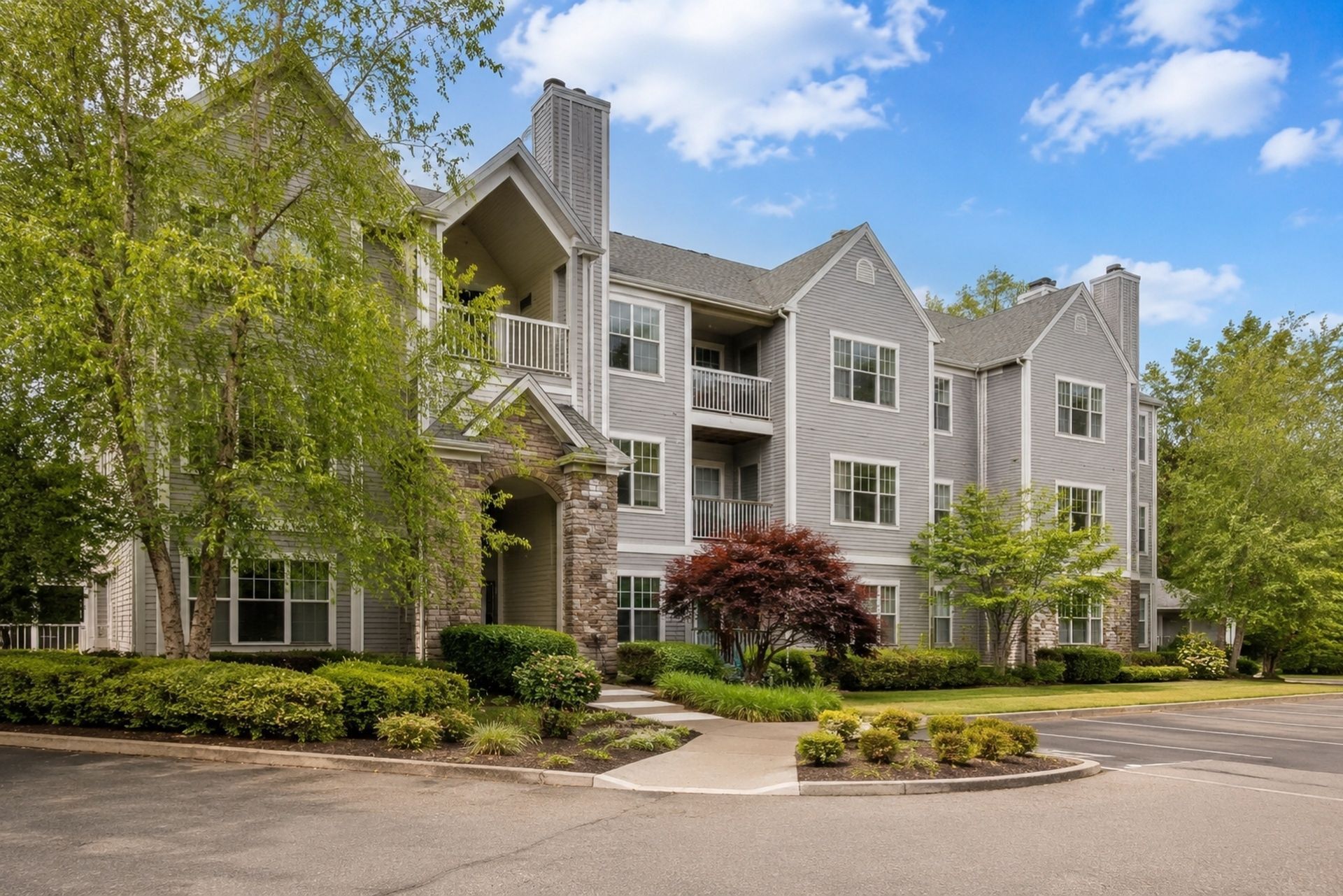
A typical Connecticut HO-6 policy bundles several types of protection into a single package. Each component addresses a different financial risk, and understanding them helps you set appropriate limits rather than defaulting to minimums.
Dwelling and Personal Property Protection
Dwelling coverage, often labeled "Coverage A" on your declarations page, pays to repair or replace interior elements of your unit: think countertops, built-in appliances, flooring, and any upgrades you've installed. If you renovated your kitchen with custom cabinetry, your dwelling coverage needs to reflect that investment. Personal property coverage, or "Coverage C," protects your furniture, electronics, clothing, and other belongings. Most policies offer either actual cash value or replacement cost valuation. Replacement cost pays what it takes to buy a new equivalent item, while actual cash value deducts depreciation. The price difference between these two options is often modest, sometimes just $30 to $50 per year, but the payout difference after a claim can be thousands of dollars.
Personal Liability and Medical Payments
If someone is injured inside your unit or you accidentally cause damage to another unit, your liability coverage responds. Standard HO-6 policies in Connecticut typically start at $100,000 in liability coverage, though most insurance professionals recommend carrying at least $300,000. Medical payments coverage, a smaller sub-limit usually between $1,000 and $5,000, pays for minor injuries to guests regardless of fault. This coverage prevents small incidents from becoming lawsuits. If you own significant assets or have substantial income, consider an umbrella policy that sits above your HO-6 liability limit.
Loss Assessment Coverage for Shared Expenses
This is one of the most overlooked components of condo insurance. If your association faces a large claim that exceeds the master policy limits, or if the master policy carries a high deductible, the association can assess each unit owner for their share. Loss assessment coverage on your HO-6 policy pays your portion of that assessment. Standard policies include $1,000 in loss assessment coverage, which is rarely sufficient. A single major roof claim or liability lawsuit against the association could generate assessments of $10,000 or more per unit. Increasing this coverage to $25,000 or $50,000 typically costs only a few dollars per year. The insurance market for condo associations has been
particularly challenging in recent years, making higher loss assessment limits more important than ever.
Comparison of Coverage Types
| Coverage Component | Basic HO-6 Policy | Enhanced HO-6 Policy |
|---|---|---|
| Dwelling (Coverage A) | $20,000 - $50,000 | $75,000 - $150,000+ |
| Personal Property | Actual cash value | Replacement cost |
| Liability | $100,000 | $300,000 - $500,000 |
| Medical Payments | $100,000 | $5,000 |
| Loss Assessment | $1,000 | $25,000 - $50,000 |
| Water Backup | Not included | Included up to $10,000 |
| Identity Theft | Not included | Often included |
| Deductible | $1,000 - $2,500 | $500 - $1,000 |
The price gap between basic and enhanced coverage is often smaller than owners expect. Upgrading from a bare-minimum policy to a well-rounded one might add $150 to $250 per year to your premium.

How Much Does Condo Insurance Cost in Connecticut?
Connecticut condo insurance
averages roughly $651 to $655 annually, placing the state near the national median. Your actual premium could range from under $400 for a modest inland unit to over $1,200 for a coastal property with high coverage limits. State Farm tends to offer some of the most competitive rates in the state, though pricing varies significantly based on your specific unit and coverage needs. Carriers like Progressive have also
expanded their Connecticut condo programs, giving unit owners more options to compare. Shopping at least three quotes remains the single most effective way to lower your premium without sacrificing coverage.
Your premium isn't a random number. Insurers evaluate dozens of variables, but a handful of factors carry the most weight for Connecticut condo owners.
Geographic Risks: Coastal vs. Inland Pricing
Location is the single biggest pricing variable. Units in Fairfield County coastal towns like Norwalk, Westport, and Greenwich face elevated hurricane and flood exposure. These areas typically see premiums 30% to 60% higher than comparable units in interior towns like Farmington or Glastonbury. Flood damage is not covered by standard HO-6 policies, so coastal owners need a separate flood policy through FEMA's National Flood Insurance Program or a private carrier. Wind and hail deductibles along the coast are often percentage-based rather than flat dollar amounts, meaning a 2% wind deductible on a $300,000 dwelling limit equals a $6,000 out-of-pocket cost before coverage kicks in.
Building Age and Security Features
Older buildings, particularly those with aging electrical, plumbing, or heating systems, cost more to insure. A condo in a pre-1970 building with original wiring and galvanized pipes presents a higher risk of fire and water damage claims. Conversely, buildings with sprinkler systems, monitored fire alarms, secured entry points, and updated mechanical systems qualify for meaningful discounts. Your claims history also matters. Even a single water damage claim in the past five years can increase your premium by 15% to 25%.
Frequently Asked Questions
Does my condo association's insurance cover my personal belongings? No. The master policy covers the building structure and common areas only. Your personal property, interior upgrades, and liability exposure require your own HO-6 policy.
Is flood insurance included in a standard Connecticut condo policy? It is not. Flood coverage requires a separate policy. This is especially critical for units in coastal Fairfield or New London counties, where flood zones are common.
How much personal property coverage do I need? Conduct a home inventory. Most condo owners underestimate their belongings by 30% to 40%. A typical two-bedroom condo might hold $40,000 to $75,000 worth of personal property.
Can I lower my premium without reducing coverage? Yes. Bundling with your auto insurer, raising your deductible, installing security devices, and maintaining a claims-free record all reduce premiums. Bundling alone often saves 10% to 15%.
What happens if my association raises a special assessment after a disaster? Your loss assessment coverage pays your share, up to the limit on your policy. Without adequate loss assessment coverage, you'd pay out of pocket.
Do I need condo insurance if I own my unit outright with no mortgage? There's no legal requirement, but going without coverage means absorbing the full cost of any interior damage, theft, or liability claim yourself. The financial risk far exceeds the annual premium.
Understanding Fannie Mae and Freddie Mac Condo Requirements
If you're financing your condo purchase, your lender follows guidelines set by Fannie Mae and Freddie Mac. These agencies have
updated their condo project requirements in recent years, placing greater emphasis on association insurance adequacy and reserve funding. If your building's master policy doesn't meet these standards, your mortgage application could face delays or denial. This is another reason to review your association's insurance documentation carefully before buying.
Common Coverage Gaps Connecticut Owners Miss
Water backup and sump pump overflow is the most frequent gap. Standard policies exclude sewer and drain backup, yet it's one of the most common condo claims. Adding this endorsement typically costs $30 to $75 per year. Another overlooked gap is ordinance or law coverage. If your unit suffers major damage and current building codes require upgrades beyond the original construction, standard dwelling coverage won't pay for the code-required improvements. This endorsement fills that gap. Finally, many owners forget to update their policy after renovations. If you spent $40,000 on a kitchen remodel but your dwelling coverage sits at $25,000, you'll face a significant shortfall after a claim.
How to Review Your Association's Master Policy
Request the declarations page from your property manager or board. Look for three things: the type of master policy (bare walls vs. all-in), the deductible amount, and the total coverage limits. The master policy deductible is particularly important because your association may pass that deductible cost to the unit owner responsible for a claim. Some Connecticut associations carry deductibles of $10,000 to $25,000 or more. Your HO-6 policy can include coverage for your share of the master policy deductible, but you need to request it specifically.
Seasonal Considerations for Connecticut Condo Owners
Connecticut's climate creates seasonal risks that affect your coverage needs. Winter brings frozen pipe exposure, particularly in older buildings or units with exterior-facing plumbing. Spring and summer bring severe thunderstorms and the potential for hurricane activity along the coast. Review your policy before hurricane season begins in June. Confirm your wind and water damage coverage, verify your deductible structure, and document your belongings with photos or video. Filing a claim is significantly easier when you have a current inventory.
Making the Right Choice for Your Property
Condo insurance in Connecticut doesn't need to be complicated, but it does require attention to detail. Start by reading your association's master policy so you know exactly where their coverage ends and yours begins. Set your dwelling coverage to reflect the true cost of your interior finishes and upgrades, not just the minimum your lender requires. Choose replacement cost over actual cash value for personal property. Increase your loss assessment and liability limits beyond the defaults.
Get quotes from at least three carriers, and don't focus solely on price. A policy that's $100 cheaper but excludes water backup or carries a high percentage-based wind deductible could cost you thousands after a claim. Ask your agent about available discounts for bundling, security features, and claims-free history. The right policy protects your investment without straining your budget, and in a state where the average annual cost sits well under $700, comprehensive coverage is within reach for most unit owners.
About The Author:
John F. McGuire
As President of Ferguson & McGuire, I’m committed to helping families and businesses throughout Connecticut find insurance solutions they can trust. With decades of experience in the industry, my focus is on providing personal service, reliable protection, and long-term peace of mind for every client we serve.
GET A QUOTE POPUP
TESTIMONIALS
Business Insurance Client Stories

Business Insurance Solutions in Connecticut
Tailored Assessments for Businesses
We delve into the intricacies of your business operations and insurance requirements, focusing on the specific challenges and opportunities presented by the Connecticut business landscape. Our aim is to identify comprehensive coverage strategies that fully protect your business interests.
Customized Commercial Insurance Solutions
With a keen eye on the unique needs of Connecticut businesses, we craft insurance solutions that precisely match your requirements. Our process is centered around developing the perfect insurance plan that aligns with your business goals and challenges.
Efficient Policy Setup & Ongoing Support
Initiate your selected insurance coverage swiftly, backed by our dedication to offer continuous support for any questions, claims, or adjustments needed. We are committed to keeping you informed and secure, ensuring your business is always prepared and protected.
Commercial Insurance Coverage in Connecticut
General Liability Insurance
Designed for Connecticut businesses, our General Liability Insurance provides essential protection against claims of bodily injury, property damage, and more, ensuring your business is defended against various liabilities.
Workers Compensation Insurance
Tailored for Connecticut businesses, Workers Compensation Insurance covers employee injuries or illnesses occurring on the job, protecting both your employees and your business's financial health.
Professional Liability Insurance
Our Professional Liability Insurance for Connecticut professionals offers extended coverage to protect against claims of negligence or errors in services provided, securing your professional reputation.
Business Owner's Policy (BOP) Insurance
Perfect for Connecticut businesses, our BOP Insurance merges property and liability coverage into a single policy, providing comprehensive protection for your business operations and assets against a multitude of risks.
Cyber Liability Insurance
Aimed at Connecticut businesses in the digital realm, our Cyber Liability Insurance covers risks associated with data breaches, cyber-attacks, and other online threats, ensuring your business's digital assets are protected.
Data Breach Insurance
Specifically for businesses in Connecticut dealing with sensitive information, our Data Breach Liability Insurance offers vital coverage for incidents of data loss or theft, giving you peace of mind in handling digital data.
OUR SERVICES
Explore Our Wide Range of Tailored Insurance Services
FAQs about a credible Connecticut Business Insurance Agency
All About CT Business Insurance: Your Queries Answered
Connecticut Businesses We Serve
Contractor Insurance
Our Contractor Insurance in Connecticut provides General Liability coverage, essential for defending against bodily injury and property damage claims, crucial for your contracting business's resilience and operational continuity.
Bar Insurance
Customized for Connecticut bars, our insurance solutions include Workers Compensation, ensuring employees are covered and your establishment's financial health is maintained in case of job-related injuries or illnesses.
Auto Body Insurance
Connecticut auto body shops benefit from our General Liability Insurance, offering protection against claims of bodily injury and property damage, vital for your business's reputation and financial stability.
Engineers Insurance
Engineers Insurance in Connecticut encompasses Workers Compensation coverage, providing your employees and engineering firm with financial protection against the consequences of workplace injuries or illnesses.
Electricians Insurance
For electricians in Connecticut, our General Liability Insurance is designed to cover occupational risks, including bodily injury and property damage claims, ensuring your business's smooth operation and security.
HVAC Contractors Insurance
HVAC contractors in Connecticut have access to our comprehensive insurance solutions, including Workers Compensation, which covers employee-related injuries or illnesses, maintaining your workforce's well-being and your business's financial health.
Ready to Get Your Business Insured?
Contact Us