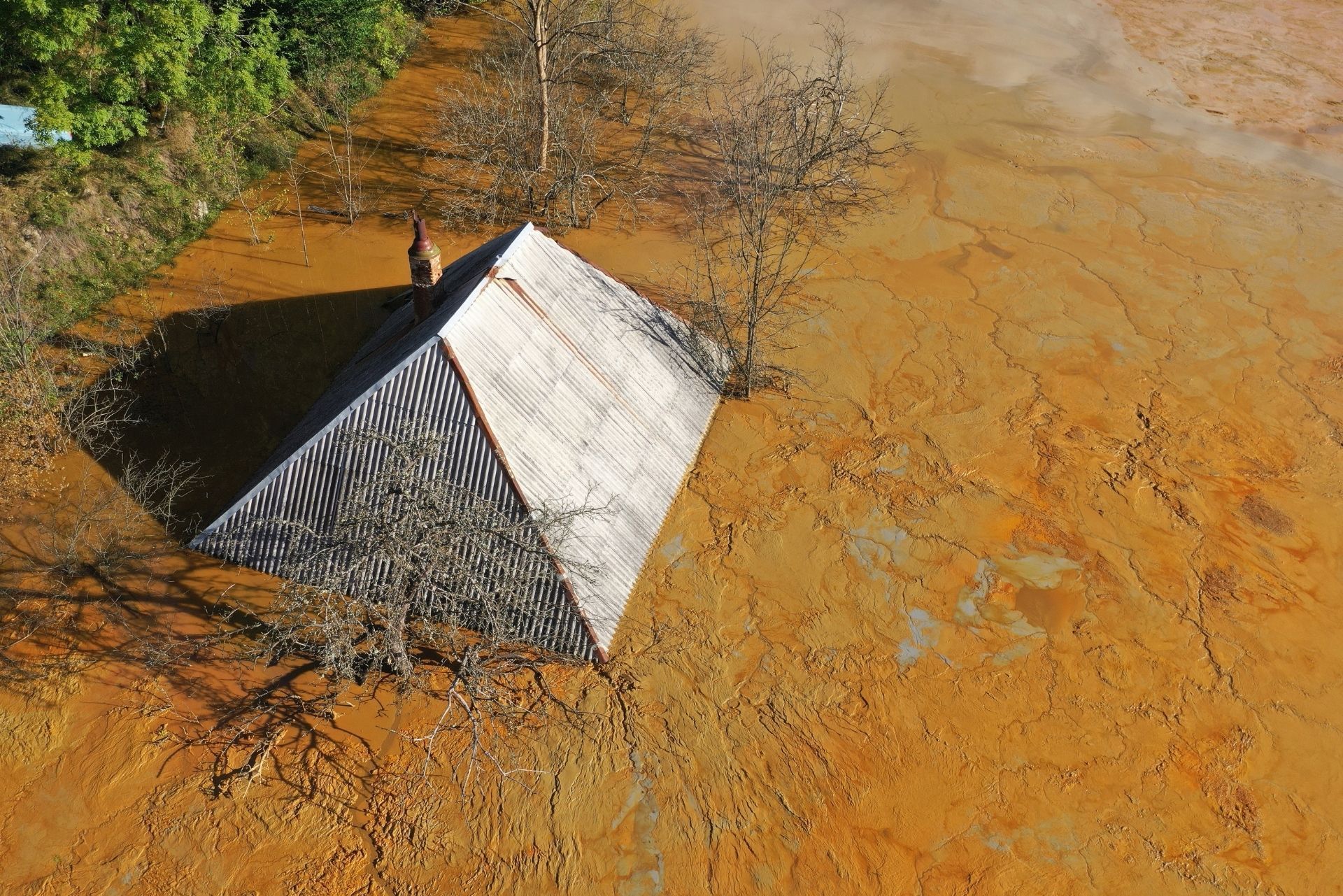
Connecticut homeowners face a sobering reality: a single inch of floodwater can cause more than $25,000 in damage to a home or business. Yet standard homeowners insurance policies exclude flood damage entirely, leaving thousands of residents financially exposed. The state's unique geography, with 618 miles of shoreline and numerous rivers and streams cutting through inland communities, creates flood risks that extend far beyond coastal areas.
This Connecticut flood insurance coverage guide breaks down everything you need to know about
protecting your property. From understanding
FEMA flood maps to comparing federal and private policy options, you'll learn how coverage works, what it costs, and when you're required to carry it. The
average Connecticut homeowner pays $1,426 annually for federal flood insurance, which is $519 more than the national average. That premium reflects the genuine risk many properties face. Whether you live steps from Long Island Sound or miles from any visible water source, understanding your flood insurance options isn't optional: it's essential for protecting your largest investment.
Understanding Flood Risks in Connecticut
Connecticut's flood exposure comes from multiple directions. The state experiences both slow-rising river floods and sudden storm surges, each presenting distinct challenges for homeowners. Understanding these risks helps you determine appropriate coverage levels and evaluate whether your current protection is adequate.
Coastal Surge vs. Inland Flash Flooding
Coastal communities from Greenwich to Stonington face storm surge threats during hurricanes and nor'easters. These events can push ocean water several feet above normal tide levels, flooding basements, first floors, and even higher in severe storms. Hurricane Sandy demonstrated this vulnerability in 2012, causing billions in damage along Connecticut's shoreline.
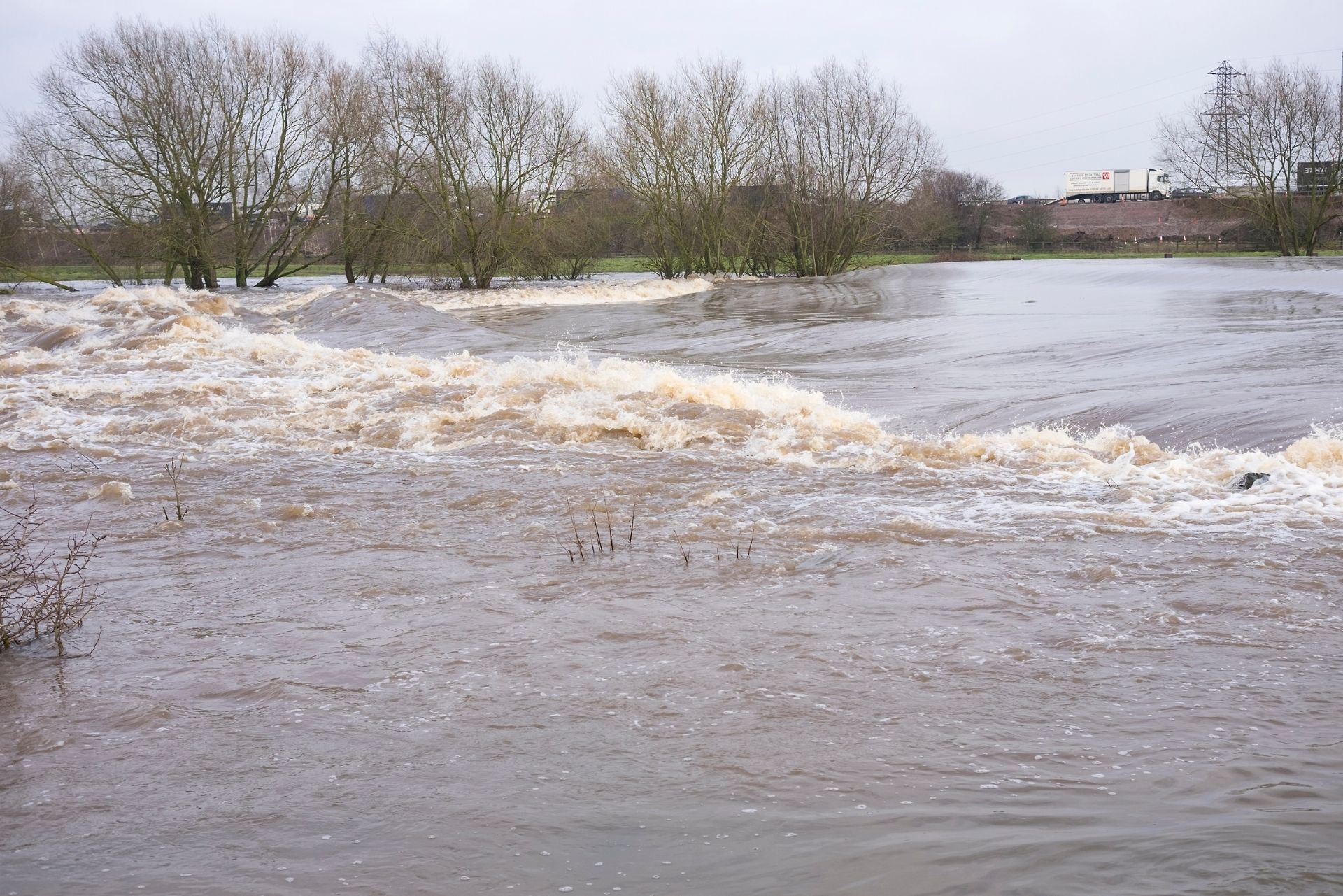
Inland flooding operates differently. Heavy rainfall events overwhelm streams, rivers, and drainage systems, causing water to rise rapidly in areas that may appear safe. The Connecticut, Housatonic, and Farmington Rivers all have extensive flood plains affecting communities miles from the coast. Flash floods can develop within hours, giving residents little time to prepare or evacuate belongings.
FEMA Flood Maps and High-Risk Zones
FEMA's Flood Insurance Rate Maps designate properties into risk categories that directly affect insurance requirements and costs. High-risk zones, labeled with letters starting with A or V, indicate areas with at least a 1% annual chance of flooding. Properties in these zones with federally backed mortgages must carry flood insurance.
Moderate-to-low risk zones, labeled B, C, or X, still experience floods. Approximately 25% of all flood claims come from these supposedly lower-risk areas. FEMA updates maps periodically, and properties can shift between zones as new data becomes available. Checking your property's current designation through FEMA's online map service should be an annual task.
Connecticut residents can obtain flood coverage through two primary channels: the federal National Flood Insurance Program or private insurance carriers. Each option has distinct advantages depending on your property's characteristics and coverage needs.
National Flood Insurance Program (NFIP) Basics
The NFIP, administered by FEMA, provides standardized flood coverage available to any property in a participating community. All Connecticut municipalities participate in the program. NFIP policies offer up to $250,000 in building coverage and $100,000 for contents in residential properties.
Premiums are calculated using FEMA's Risk Rating 2.0 methodology, which considers multiple property-specific factors. A flood insurance expert notes that a property's specific risk factors drive the premium, not just the flood zone. These factors include elevation versus base flood elevation, replacement cost, distance to water, foundation type, and claims history.
The NFIP guarantees coverage regardless of risk level, making it essential for properties that private insurers won't cover. Policies are portable if you sell your home, transferring to the new owner.
Benefits of Private Market Policies in CT
Private flood insurance has expanded significantly in Connecticut, offering alternatives that may better suit certain homeowners. Private carriers can provide higher coverage limits, often exceeding $1 million for building and contents combined. They may also cover additional living expenses if flooding displaces you from your home, something NFIP policies exclude.
| Feature | NFIP | Private Carriers |
|---|---|---|
| Building Coverage Limit | $250,000 | Often $1M+ |
| Contents Limit | $100,000 | Varies widely |
| Additional Living Expenses | Not covered | Often included |
| Waiting Period | 30 days | Sometimes shorter |
| Basement Coverage | Limited | May be broader |
Private policies sometimes offer lower premiums for low-to-moderate risk properties. They may also waive or shorten waiting periods in certain circumstances. The trade-off is that private insurers can decline to renew policies or exit markets entirely, while the NFIP must continue offering coverage.
What Connecticut Flood Policies Cover
Understanding exactly what your policy covers, and what it excludes, prevents unpleasant surprises during the claims process. Both NFIP and private policies have specific coverage structures worth examining closely.
Building Property Coverage Limits
Building coverage protects the physical structure of your home, including the foundation, electrical and plumbing systems, HVAC equipment, and permanently installed features like cabinets and flooring. Water heaters, furnaces, and similar mechanical systems typically fall under building coverage.
NFIP policies cap building coverage at $250,000 for single-family residences. If your home's replacement cost exceeds this amount, you'll need supplemental coverage from a private carrier or accept the gap. Many Connecticut homes, particularly in coastal communities, have values well above this threshold.
Personal Contents and Belongings
Contents coverage protects movable property: furniture, clothing, electronics, and similar belongings. The NFIP limits contents coverage to $100,000, which may prove insufficient for households with valuable possessions.
Items stored in basements receive limited protection under NFIP policies. Only essential items like washers, dryers, and food freezers qualify for basement coverage. Personal belongings stored below ground level typically aren't covered, making elevated storage a practical risk reduction strategy.
Exclusions and Common Limitations
Standard flood policies exclude several damage categories that homeowners often assume are covered:
- Mold and mildew damage that could have been prevented
- Currency, precious metals, and valuable papers
- Living expenses during displacement (NFIP only)
- Property outside the insured building
- Vehicles and their contents
- Damage from moisture or water seepage over time
Sewer backup damage requires separate coverage unless the backup results directly from flooding. Many homeowners add sewer backup endorsements to their standard homeowners policies to address this gap.
Connecticut flood insurance premiums vary dramatically between properties. Understanding the factors that drive your costs helps you identify potential savings and budget appropriately.
Impact of Risk Rating 2.0
FEMA's Risk Rating 2.0 methodology, implemented in 2021, changed how premiums are calculated. Rather than relying primarily on flood zone designations, the new system considers individual property characteristics. This approach aims to price risk more accurately, but it has increased premiums for many Connecticut properties.
Most NFIP policies in Connecticut will see increases of up to 18 percent in 2026 due to the Risk Rating 2.0 glide path. FEMA is phasing in rate changes gradually, capping annual increases at 18% for most policyholders. Properties that were previously underpriced relative to their actual risk will continue seeing increases until rates reach actuarially sound levels.
Mitigation Discounts and Elevation Certificates
Elevation certificates document your property's elevation relative to the base flood elevation. Properties elevated above BFE qualify for lower premiums because they're less likely to experience flood damage. Obtaining an elevation certificate from a licensed surveyor costs several hundred dollars but can yield significant premium savings.
Flood mitigation measures can also reduce costs. Installing flood vents, elevating utilities, and using flood-resistant building materials all demonstrate reduced risk. Some communities participate in FEMA's Community Rating System, earning discounts for residents based on local floodplain management efforts.
Mandatory Purchase Requirements and Deadlines
Federal law requires flood insurance in specific circumstances. Understanding these requirements prevents compliance issues with your mortgage lender.
Lender Requirements for Mortgaged Homes
Properties in high-risk flood zones with federally backed mortgages must maintain flood insurance for the loan's duration. This requirement applies to loans from banks that are federally regulated or insured, which includes most conventional mortgages.
The required coverage amount equals the lesser of your outstanding loan balance, maximum NFIP coverage ($250,000), or the building's replacement cost. Lenders verify coverage annually and can force-place expensive policies if you allow coverage to lapse.
Starting July 1, 2026, insurance producers in Connecticut must provide written notice to applicants that flood coverage isn't included in standard policies. This disclosure requirement aims to reduce the number of homeowners who mistakenly believe their existing coverage protects against floods.
The 30-Day Waiting Period Rule
New NFIP policies have a 30-day waiting period before coverage takes effect. You cannot purchase a policy when a storm is approaching and expect immediate protection. This waiting period prevents adverse selection, where people only buy coverage when they know they'll need it.
Exceptions exist for policies purchased in connection with property closings and certain loan-related transactions. Private insurers may offer shorter waiting periods, sometimes as brief as 10-14 days, though policies tied to imminent storms typically won't be issued.
How to File a Flood Claim in Connecticut
When flooding damages your property, prompt action protects both your belongings and your claim. Document damage thoroughly with photographs and video before beginning any cleanup. Separate damaged items from undamaged ones, but don't discard anything until your adjuster has inspected it.
Contact your insurance company immediately to report the loss. NFIP claims go through your insurance agent or directly to FEMA's claims hotline. An adjuster will schedule an inspection, typically within days of major flood events, though widespread disasters can cause delays.
Prepare a detailed inventory of damaged items, including descriptions, approximate ages, and estimated values. Receipts and photographs from before the flood strengthen your claim. The adjuster's report forms the basis for your settlement, so accompany them during the inspection and point out all damage.
The financial stakes of flood damage in Connecticut are substantial.
Homeowners can expect to pay an average of more than $283,000 in flood repairs over the course of a 30-year mortgage on homes with prior flood damage. Adequate insurance coverage transforms a potential financial catastrophe into a manageable recovery process.
Frequently Asked Questions
Do I need flood insurance if I'm not in a high-risk zone? You're not legally required to carry it, but approximately 25% of flood claims come from moderate-to-low risk zones. Flooding can occur anywhere rain falls.
Can I buy flood insurance if I've had previous flood damage? Yes. The NFIP cannot deny coverage based on claims history, though your premium will reflect past losses. Private insurers may decline coverage for properties with extensive claims.
How long does a flood claim take to settle? Most claims settle within 60-90 days after filing, assuming you provide complete documentation. Major disasters can extend timelines due to adjuster availability.
Does flood insurance cover my detached garage or shed? Detached structures require separate coverage under NFIP policies. Private carriers may offer options to include outbuildings under your primary policy.
What's the difference between flood damage and water damage? Flood damage involves water from external sources covering normally dry land. Water damage from internal sources like burst pipes falls under homeowners insurance.
Protecting your Connecticut home from flood damage requires understanding your risk, comparing coverage options, and maintaining adequate insurance before you need it. Review your property's flood zone designation, obtain quotes from both NFIP and private carriers, and consider an elevation certificate if you're in a higher-risk area. The 30-day waiting period means the time to act is now, not when storm warnings appear in the forecast.
About The Author:
John F. McGuire
As President of Ferguson & McGuire, I’m committed to helping families and businesses throughout Connecticut find insurance solutions they can trust. With decades of experience in the industry, my focus is on providing personal service, reliable protection, and long-term peace of mind for every client we serve.
GET A QUOTE POPUP
TESTIMONIALS
Business Insurance Client Stories

Business Insurance Solutions in Connecticut
Tailored Assessments for Businesses
We delve into the intricacies of your business operations and insurance requirements, focusing on the specific challenges and opportunities presented by the Connecticut business landscape. Our aim is to identify comprehensive coverage strategies that fully protect your business interests.
Customized Commercial Insurance Solutions
With a keen eye on the unique needs of Connecticut businesses, we craft insurance solutions that precisely match your requirements. Our process is centered around developing the perfect insurance plan that aligns with your business goals and challenges.
Efficient Policy Setup & Ongoing Support
Initiate your selected insurance coverage swiftly, backed by our dedication to offer continuous support for any questions, claims, or adjustments needed. We are committed to keeping you informed and secure, ensuring your business is always prepared and protected.
Commercial Insurance Coverage in Connecticut
General Liability Insurance
Designed for Connecticut businesses, our General Liability Insurance provides essential protection against claims of bodily injury, property damage, and more, ensuring your business is defended against various liabilities.
Workers Compensation Insurance
Tailored for Connecticut businesses, Workers Compensation Insurance covers employee injuries or illnesses occurring on the job, protecting both your employees and your business's financial health.
Professional Liability Insurance
Our Professional Liability Insurance for Connecticut professionals offers extended coverage to protect against claims of negligence or errors in services provided, securing your professional reputation.
Business Owner's Policy (BOP) Insurance
Perfect for Connecticut businesses, our BOP Insurance merges property and liability coverage into a single policy, providing comprehensive protection for your business operations and assets against a multitude of risks.
Cyber Liability Insurance
Aimed at Connecticut businesses in the digital realm, our Cyber Liability Insurance covers risks associated with data breaches, cyber-attacks, and other online threats, ensuring your business's digital assets are protected.
Data Breach Insurance
Specifically for businesses in Connecticut dealing with sensitive information, our Data Breach Liability Insurance offers vital coverage for incidents of data loss or theft, giving you peace of mind in handling digital data.
OUR SERVICES
Explore Our Wide Range of Tailored Insurance Services
FAQs about a credible Connecticut Business Insurance Agency
All About CT Business Insurance: Your Queries Answered
Connecticut Businesses We Serve
Contractor Insurance
Our Contractor Insurance in Connecticut provides General Liability coverage, essential for defending against bodily injury and property damage claims, crucial for your contracting business's resilience and operational continuity.
Bar Insurance
Customized for Connecticut bars, our insurance solutions include Workers Compensation, ensuring employees are covered and your establishment's financial health is maintained in case of job-related injuries or illnesses.
Auto Body Insurance
Connecticut auto body shops benefit from our General Liability Insurance, offering protection against claims of bodily injury and property damage, vital for your business's reputation and financial stability.
Engineers Insurance
Engineers Insurance in Connecticut encompasses Workers Compensation coverage, providing your employees and engineering firm with financial protection against the consequences of workplace injuries or illnesses.
Electricians Insurance
For electricians in Connecticut, our General Liability Insurance is designed to cover occupational risks, including bodily injury and property damage claims, ensuring your business's smooth operation and security.
HVAC Contractors Insurance
HVAC contractors in Connecticut have access to our comprehensive insurance solutions, including Workers Compensation, which covers employee-related injuries or illnesses, maintaining your workforce's well-being and your business's financial health.
Ready to Get Your Business Insured?
Contact Us