Connecticut Recording Studio Insurance

See How We're Different
or call us: (203) 269-9565
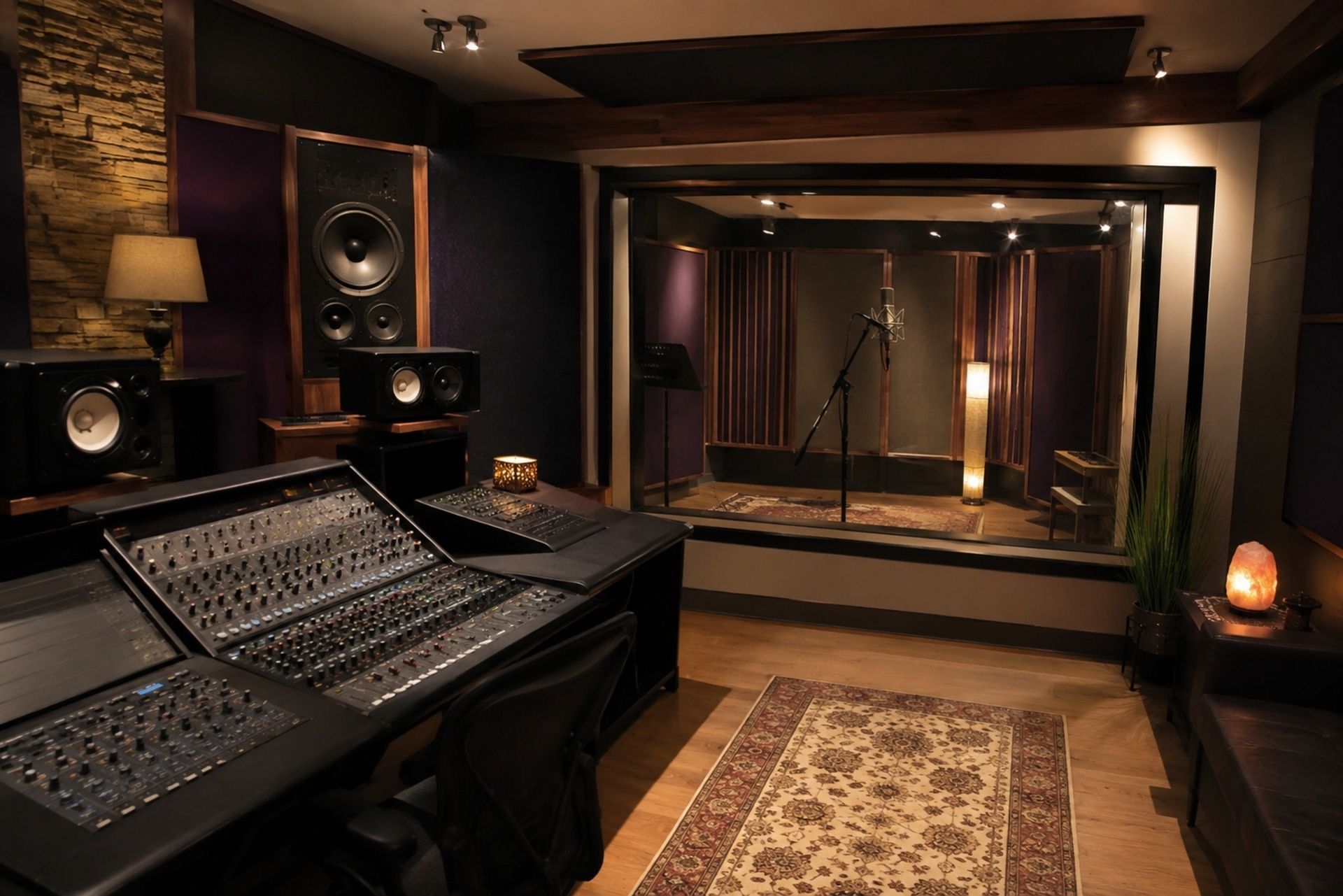
A single power surge can destroy $200,000 worth of mixing consoles, microphones, and digital audio workstations in seconds. For recording studio owners in Connecticut, that scenario isn't hypothetical - it's a risk that plays out every storm season. Yet many studio operators carry insurance policies designed for generic office spaces, leaving critical gaps in coverage that only surface after a claim gets denied.
Understanding how insurance for Connecticut recording studios works is the first step toward protecting your investment. The state has specific regulatory requirements, and studios face a unique blend of property, liability, and digital risks that standard commercial policies rarely address. Whether you run a full-service production facility in Hartford or a boutique mixing room in New Haven, the right coverage structure can mean the difference between a temporary setback and permanent closure.
Connecticut's insurance market is also shifting. The state recently
moved to repeal the "diligent effort" requirement for surplus lines placements through HB 5373, effective October 1, 2026. This change makes it easier for specialty businesses like recording studios to access niche insurance products that weren't previously available through standard carriers.
Essential Insurance Coverages for Connecticut Studios
Every recording studio, regardless of size, needs a foundation of core coverages. These aren't optional add-ons. They're the policies that keep your doors open when something goes wrong. The three pillars of studio insurance are general liability, commercial property, and professional liability, and each one addresses a distinct category of risk.
General Liability for Client Safety
General liability insurance protects you when someone gets injured on your premises or when your business operations cause property damage to a third party. A client trips over a cable run during a session. A visitor slips on a wet floor in your lobby. A piece of equipment falls and damages a musician's personal instrument. These are all general liability claims.
Most Connecticut landlords require proof of general liability coverage before signing a commercial lease. Standard policies carry limits of $1 million per occurrence and $2 million aggregate, though studios hosting large sessions or live events may need higher limits. Your policy should also include products-completed operations coverage, which protects you after a project is delivered if your work causes harm.
Commercial Property and High-End Gear Protection
Standard commercial property insurance covers your building (if you own it), tenant improvements, and business personal property. For recording studios, the business personal property component is where things get complicated. A typical studio houses analog consoles, digital interfaces, microphone collections, outboard gear, acoustic treatments, and computer systems worth tens or hundreds of thousands of dollars.
The critical distinction here is replacement cost versus actual cash value. A vintage Neumann U87 microphone depreciates on paper but costs more to replace today than it did five years ago. Insist on a replacement cost policy, and maintain a detailed equipment inventory with serial numbers, purchase receipts, and current market valuations. Without that documentation, claims adjusters will default to depreciated values.
Professional Liability for Creative Services
Professional liability, sometimes called errors and omissions insurance, covers claims arising from your professional work. If a client alleges that your studio lost their master recordings, delivered substandard mixes, or missed a contractual deadline that caused financial harm, this is the policy that responds.
This coverage is often overlooked by studio owners who assume general liability handles everything. It doesn't. General liability covers bodily injury and property damage, not allegations of professional negligence. If you're producing, mixing, mastering, or providing any creative service under contract,
professional liability insurance fills a gap that could otherwise expose you to significant legal costs.
Connecticut State Requirements and Regulations
Connecticut regulates insurance more actively than many states. The Connecticut Insurance Department oversees rate filings and consumer protections with a focus on preventing excessive premium increases. For studio owners, this regulatory environment creates both obligations and protections worth understanding.
Workers' Compensation Laws for Studio Staff
Connecticut law requires workers' compensation insurance for virtually all employers, including those with just one employee. There's no minimum employee threshold. If you hire a studio assistant, a front desk coordinator, or a staff engineer, you need workers' comp coverage before their first day of work.
Penalties for non-compliance are serious: fines up to $50,000 and potential criminal charges for willful violations. Independent contractors present a gray area. Connecticut uses an "ABC test" to determine worker classification, and misclassifying an employee as a contractor to avoid workers' comp obligations is a common mistake that triggers audits and back-penalties. If your session engineers work set schedules, use your equipment, and don't serve other clients, they're likely employees in the eyes of the state.
Commercial Auto Insurance for Mobile Recording
If your studio operates a mobile recording unit, uses vehicles to transport equipment to off-site sessions, or sends employees on business errands, you need commercial auto insurance. Personal auto policies exclude business use, and a claim denied on that basis leaves you personally liable.
Connecticut requires minimum auto liability limits of 25/50/25 ($25,000 per person, $50,000 per accident for bodily injury, $25,000 for property damage). These minimums are dangerously low for a vehicle loaded with $80,000 in recording equipment. A hired and non-owned auto endorsement is also worth adding if employees or freelancers ever use their personal vehicles for studio business.
Comparing Basic vs. Comprehensive Coverage
The difference between a basic policy and a comprehensive one isn't just about premium cost. It's about which claims get paid and which ones don't. Many studio owners start with a basic business owner's policy (BOP) and assume they're covered, only to discover gaps after a loss.
Comparison Chart: Standard vs. Premium Studio Policies
| Coverage Feature | Basic BOP | Comprehensive Studio Policy |
|---|---|---|
| General Liability | $1M/$2M limits | $1M/$2M with umbrella option |
| Property Coverage | Actual cash value | Replacement cost |
| Equipment Floater | Not included | Covers gear on and off premises |
| Professional Liability | Not included | $1M+ E&O coverage |
| Business Interruption | Limited (30-60 days) | Extended (up to 12 months) |
| Cyber/Data Breach | Not included | Included with digital asset recovery |
| Equipment Breakdown | Not included | Covers electrical/mechanical failure |
| Hired/Non-Owned Auto | Not included | Included |
The premium difference between these two tiers typically runs 40-60% higher for comprehensive coverage. But a single denied claim on a basic policy can cost far more than years of premium savings. The 2026 Small Business Creatives Outlook Report highlighted that underinsured creative businesses face closure rates three times higher after a major loss event compared to those with adequate coverage.
Protecting Against Studio-Specific Risks
Generic commercial policies miss the risks unique to recording studios. Two areas deserve special attention because they fall outside standard coverage and represent some of the most common claim scenarios for audio production facilities.
Data Breach and Digital Asset Recovery
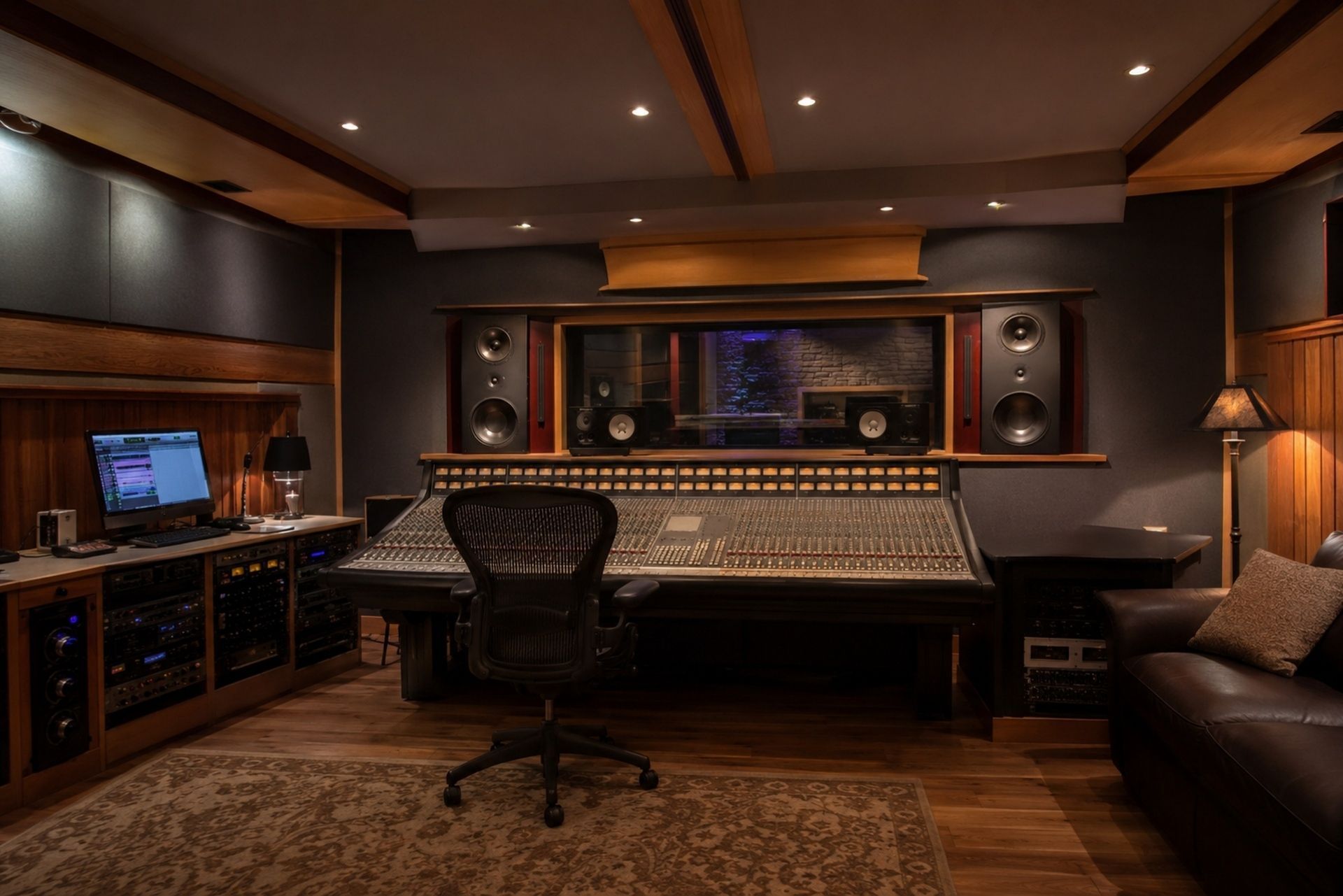
Studios store irreplaceable digital assets: master recordings, client session files, proprietary samples, and production libraries. A ransomware attack, server failure, or unauthorized access to client files creates both a financial loss and a potential liability exposure.
Cyber liability insurance covers notification costs, forensic investigation, data recovery, and legal defense if a client sues over compromised files. Connecticut has data breach notification laws that require you to inform affected individuals within 60 days of discovering a breach. Non-compliance carries its own penalties. Even small studios with a single networked DAW and cloud backup system face this risk, so don't assume cyber coverage is only for large operations.
Equipment Breakdown and Power Surge Coverage
Standard property insurance covers damage from named perils like fire, theft, and windstorms. It typically excludes mechanical or electrical breakdown, which is the most common cause of equipment loss in recording studios. A compressor in your HVAC system fails and causes humidity damage to your console. A power surge fries your audio interface and connected outboard gear. An internal component failure destroys a vintage preamp.
Equipment breakdown coverage, sometimes called boiler and machinery insurance, fills this gap. It covers repair or replacement costs for electrical and mechanical failures that property insurance won't touch. For studios in Connecticut, where summer storms and aging electrical infrastructure create frequent surge events, this coverage is
a practical necessity rather than a luxury.
Common Questions About Studio Insurance
FAQ: Cost, Claims, and Home-Based Studio Needs
How much does recording studio insurance cost in Connecticut? Expect to pay $1,200 to $4,500 annually for a comprehensive policy, depending on your equipment value, revenue, number of employees, and location. Studios in flood-prone areas or older buildings may pay more.
Does my homeowner's policy cover my home-based studio? Almost certainly not for business use. Most homeowner's policies exclude business property and business liability. You'll need either a home-based business endorsement or a standalone commercial policy. Don't assume, because a denied claim could leave you covering losses out of pocket.
What's the most common claim type for recording studios? Equipment damage from power surges and water intrusion tops the list, followed by theft and client injury claims. Professional liability claims, while less frequent, tend to carry higher dollar amounts.
Can I bundle my studio coverages into one policy? Yes. A business owner's policy (BOP) bundles general liability and property coverage at a discount. You'll still need separate policies for workers' comp, commercial auto, and typically cyber liability, but a BOP provides a solid starting point.
Do I need insurance for rented or borrowed equipment? Your policy may not cover gear you don't own. An inland marine or equipment floater policy can extend coverage to rented, leased, or borrowed equipment. Check your rental agreements, as many equipment rental companies require proof of coverage before releasing gear.
How do I file a claim after equipment damage?
Document everything immediately: photos, serial numbers, repair estimates. Contact your insurer within 24-48 hours. Don't discard damaged equipment until the adjuster has inspected it or given written approval.
Making the Right Choice for Your Space
Getting insurance for your Connecticut recording studio right means matching your coverage to your actual risk profile, not buying the cheapest policy available. Start by completing a thorough equipment inventory and honest risk assessment. Identify whether you need workers' comp, whether your vehicles are covered for business use, and whether your digital assets have any protection at all.
Work with a broker who understands entertainment or creative industry insurance. A generalist agent may not know to ask about equipment floaters, session cancellation coverage, or the distinction between replacement cost and actual cash value for vintage gear. Connecticut's regulatory environment offers real consumer protections, but those protections only help if you have the right policy in the first place.
The cost of comprehensive coverage is a fraction of what an uninsured loss would cost your business. Review your policy annually, update your equipment schedule after major purchases, and don't wait for a claim to discover what your insurance actually covers.
About The Author:
John F. McGuire
As President of Ferguson & McGuire, I’m committed to helping families and businesses throughout Connecticut find insurance solutions they can trust. With decades of experience in the industry, my focus is on providing personal service, reliable protection, and long-term peace of mind for every client we serve.
GET A QUOTE POPUP
TESTIMONIALS
Business Insurance Client Stories

Business Insurance Solutions in Connecticut
Tailored Assessments for Businesses
We delve into the intricacies of your business operations and insurance requirements, focusing on the specific challenges and opportunities presented by the Connecticut business landscape. Our aim is to identify comprehensive coverage strategies that fully protect your business interests.
Customized Commercial Insurance Solutions
With a keen eye on the unique needs of Connecticut businesses, we craft insurance solutions that precisely match your requirements. Our process is centered around developing the perfect insurance plan that aligns with your business goals and challenges.
Efficient Policy Setup & Ongoing Support
Initiate your selected insurance coverage swiftly, backed by our dedication to offer continuous support for any questions, claims, or adjustments needed. We are committed to keeping you informed and secure, ensuring your business is always prepared and protected.
Commercial Insurance Coverage in Connecticut
General Liability Insurance
Designed for Connecticut businesses, our General Liability Insurance provides essential protection against claims of bodily injury, property damage, and more, ensuring your business is defended against various liabilities.
Workers Compensation Insurance
Tailored for Connecticut businesses, Workers Compensation Insurance covers employee injuries or illnesses occurring on the job, protecting both your employees and your business's financial health.
Professional Liability Insurance
Our Professional Liability Insurance for Connecticut professionals offers extended coverage to protect against claims of negligence or errors in services provided, securing your professional reputation.
Business Owner's Policy (BOP) Insurance
Perfect for Connecticut businesses, our BOP Insurance merges property and liability coverage into a single policy, providing comprehensive protection for your business operations and assets against a multitude of risks.
Cyber Liability Insurance
Aimed at Connecticut businesses in the digital realm, our Cyber Liability Insurance covers risks associated with data breaches, cyber-attacks, and other online threats, ensuring your business's digital assets are protected.
Data Breach Insurance
Specifically for businesses in Connecticut dealing with sensitive information, our Data Breach Liability Insurance offers vital coverage for incidents of data loss or theft, giving you peace of mind in handling digital data.
OUR SERVICES
Explore Our Wide Range of Tailored Insurance Services
FAQs about a credible Connecticut Business Insurance Agency
All About CT Business Insurance: Your Queries Answered
Connecticut Businesses We Serve
Contractor Insurance
Our Contractor Insurance in Connecticut provides General Liability coverage, essential for defending against bodily injury and property damage claims, crucial for your contracting business's resilience and operational continuity.
Bar Insurance
Customized for Connecticut bars, our insurance solutions include Workers Compensation, ensuring employees are covered and your establishment's financial health is maintained in case of job-related injuries or illnesses.
Auto Body Insurance
Connecticut auto body shops benefit from our General Liability Insurance, offering protection against claims of bodily injury and property damage, vital for your business's reputation and financial stability.
Engineers Insurance
Engineers Insurance in Connecticut encompasses Workers Compensation coverage, providing your employees and engineering firm with financial protection against the consequences of workplace injuries or illnesses.
Electricians Insurance
For electricians in Connecticut, our General Liability Insurance is designed to cover occupational risks, including bodily injury and property damage claims, ensuring your business's smooth operation and security.
HVAC Contractors Insurance
HVAC contractors in Connecticut have access to our comprehensive insurance solutions, including Workers Compensation, which covers employee-related injuries or illnesses, maintaining your workforce's well-being and your business's financial health.
Ready to Get Your Business Insured?
Contact Us