Connecticut Private and Charter School Insurance

See How We're Different
or call us: (203) 269-9565
A single lawsuit from a slip-and-fall on campus, a data breach exposing student records, or a bus accident on a field trip can threaten the financial stability of any independent school. Connecticut private and charter schools face a unique mix of risks that public districts don't always share, from fundraising event liability to board member lawsuits. The right insurance program isn't just a regulatory checkbox; it's the financial backbone that keeps your school running after the unexpected happens.
Understanding what insurance a Connecticut private or charter school needs across liability, property, auto, cyber, and workers' compensation categories can feel overwhelming. Each coverage type addresses a distinct set of exposures, and gaps between policies are where schools get hurt the most. A general liability policy won't cover a wrongful termination claim against your head of school. Property insurance won't pay for a student's medical bills after a playground injury. These distinctions matter, and they're often misunderstood until a claim forces the issue.
This guide breaks down each essential coverage area, highlights Connecticut-specific requirements, and gives you a practical framework for building a policy portfolio that actually protects your institution, your staff, and your students.
Core Liability Coverage for Connecticut Educational Institutions
Liability insurance forms the foundation of any school's risk management plan. Schools interact daily with minors, parents, vendors, volunteers, and the public, creating dozens of potential exposure points. A single claim can generate six-figure legal defense costs even if the school is ultimately found not at fault.
Connecticut courts have historically held educational institutions to a high standard of care for students. That means your liability program needs to be built with layers, not just a single policy.
General Liability vs. Professional Liability
General liability (GL) covers bodily injury, property damage, and personal injury claims arising from your school's operations. If a visitor trips on a wet hallway floor or a student is injured during recess, your GL policy responds first. Most carriers write school GL policies with per-occurrence limits of $1 million and aggregate limits of $2 million or $3 million.
Professional liability, sometimes called errors and omissions (E&O), covers claims arising from educational decisions. Think wrongful expulsion, failure to accommodate a learning disability, or allegations of negligent supervision. These claims don't involve physical injury but can be just as expensive to defend. Many school administrators assume their GL policy covers these situations, but it typically doesn't. You need both.
Abuse and Molestation Coverage
This is one of the most sensitive and critical coverages for any school. Abuse and molestation claims can result in multi-million-dollar verdicts, and standard GL policies often exclude or severely sublimit this exposure. A standalone or high-limit endorsement is essential.
Carriers will scrutinize your hiring practices, background check procedures, and supervision protocols before offering this coverage. Schools with documented policies, regular training, and clear reporting procedures typically receive better terms and lower premiums.
Directors and Officers (D&O) Protection
Board members and school administrators face personal liability for decisions they make on behalf of the institution. D&O insurance covers claims like alleged mismanagement of school funds, discriminatory hiring practices, or breach of fiduciary duty. Charter schools, which often operate under governing boards with significant financial oversight, are particularly exposed here. Without D&O coverage, board members may be personally liable for defense costs and settlements.
Protecting School Property and Physical Assets
School buildings, contents, and equipment represent millions of dollars in assets. Connecticut's property insurance market has been volatile in recent years, with school property insurance premiums climbing sharply due to rising construction costs and increased weather-related claims. Premiums rose roughly 10% in 2023 and another 13% in 2024, a trend that shows little sign of reversing.
Building and Contents Coverage
Your property policy should cover the full replacement cost of your buildings, not just their market value. Schools frequently underinsure because they base coverage on purchase price or assessed value rather than current construction costs. With labor and materials prices still elevated in 2026, a building that cost $4 million to construct a decade ago might cost $6.5 million to rebuild today.
Contents coverage protects furniture, textbooks, lab equipment, musical instruments, and athletic gear. Schools with significant art collections, libraries, or specialized STEM labs should schedule high-value items separately. Connecticut schools in flood-prone or coastal areas also need to evaluate whether a separate flood policy is warranted, since standard property policies exclude flood damage.
Equipment Breakdown and Tech Infrastructure
A boiler failure in January or a transformer blowout during final exams can shut down your campus. Equipment breakdown coverage, sometimes called boiler and machinery insurance, pays for the repair or replacement of mechanical and electrical systems. It also covers spoilage losses if a freezer failure ruins cafeteria food supplies.
Schools increasingly depend on servers, network infrastructure, and smart building systems. Your property policy may not cover the cost of restoring data or replacing specialized technology. An equipment breakdown endorsement with a technology extension fills that gap. You can also
check your property's climate-related risk exposure to determine whether additional weather-related coverage is appropriate.
State-Mandated and Operational Requirements
Connecticut imposes specific insurance requirements on employers and organizations that transport passengers. Failing to meet these mandates can result in fines, loss of operating authority, or personal liability for school leaders.
Connecticut Workers' Compensation Standards
Connecticut law requires virtually every employer to carry workers' compensation insurance, with very few exceptions. If you have even one employee, you need a policy. Workers' comp covers medical expenses, lost wages, and rehabilitation costs for employees injured on the job. For schools, common claims include slips and falls, repetitive strain injuries among administrative staff, and injuries sustained during physical education instruction or coaching.
Premiums are based on your payroll, job classifications, and claims history. Schools with strong safety programs and low loss ratios can earn experience modification credits that reduce their premiums by 10% to 30%. Connecticut also requires employers to post notice of coverage in a visible workplace location and to report injuries promptly to their carrier.
Commercial Auto and Student Transportation
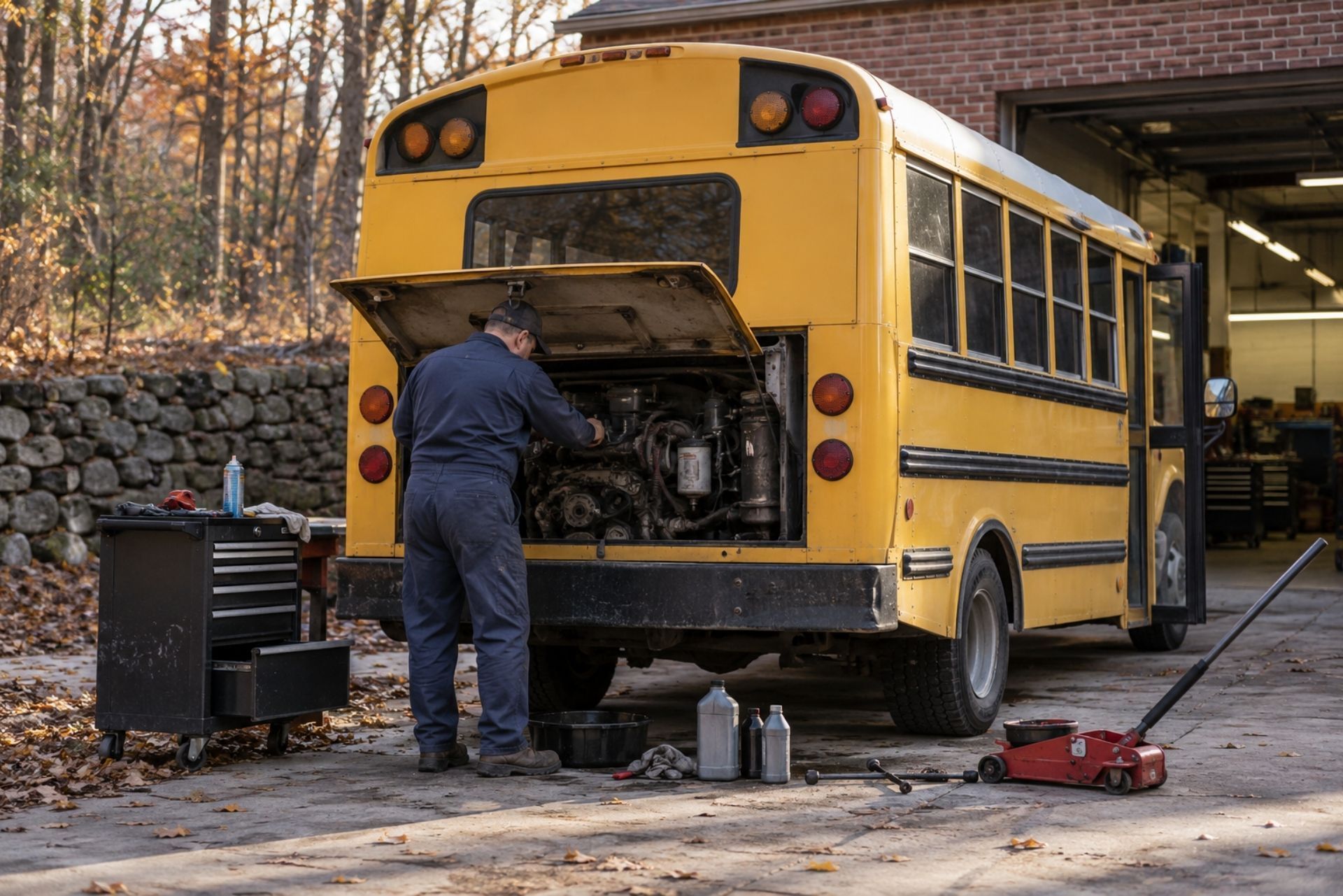
If your school owns or leases vehicles for student transportation, field trips, or staff use, you need commercial auto insurance. Connecticut requires minimum liability limits, but schools should carry far more than the state minimum given the number of minors typically on board. Umbrella policies that extend over your auto coverage are common and strongly recommended.
Schools that hire third-party bus companies aren't off the hook either. You should verify that your transportation vendor carries adequate insurance and that your contract includes hold-harmless and indemnification language. The Federal Motor Carrier Safety Administration provides guidance on insurance requirements for passenger carriers that can help you evaluate your vendor's compliance.

Managing Digital Risks and Cyber Liability
Schools store enormous quantities of sensitive data: student health records, financial aid applications, Social Security numbers, and payment card information. A ransomware attack or data breach can expose thousands of records and trigger notification obligations under Connecticut's data breach statute.
Cyber liability insurance covers first-party costs like forensic investigation, data restoration, notification expenses, and credit monitoring for affected individuals. It also covers third-party claims if families or employees sue the school for failing to protect their information. Many policies include access to breach response teams that can manage the crisis in real time.
Connecticut enacted updated data privacy legislation in recent years, increasing penalties for organizations that fail to implement reasonable security measures. Schools that can demonstrate compliance with recognized cybersecurity frameworks, such as NIST or CIS Controls, often qualify for lower cyber premiums. The cost of a standalone cyber policy for a mid-sized school typically runs between $3,000 and $15,000 annually, depending on enrollment, data volume, and security posture. That's a fraction of what a single breach could cost without coverage.
Comparison: Basic vs. Comprehensive School Insurance Bundles
Not all insurance programs are created equal. Here's how a basic package stacks up against a comprehensive one:
| Coverage Area | Basic Package | Comprehensive Package |
|---|---|---|
| General Liability | $1M per occurrence | $1M per occurrence + umbrella |
| Property | Actual cash value | Full replacement cost |
| Professional Liability | Often excluded | Included with $1M+ limits |
| Abuse & Molestation | Sublimited ($100K-$300K) | Standalone policy, $1M+ |
| D&O | Not included | $1M-$5M limits |
| Workers' Comp | State minimum | State minimum + return-to-work program |
| Commercial Auto | State minimum limits | $1M+ with hired/non-owned auto |
| Cyber Liability | Not included | $1M-$3M with breach response |
| Umbrella/Excess | Not included | $5M-$10M over primary policies |
A basic package might cost 40% less upfront, but it leaves significant gaps that a single serious claim can exploit. Schools that have experienced a major uninsured loss rarely make that mistake twice.
Frequently Asked Questions About School Insurance
Does a charter school in Connecticut need the same insurance as a private school? Charter schools often need identical core coverages but may face additional requirements from their authorizing entity or the state. Review your charter agreement for specific insurance mandates.
Is flood insurance required for Connecticut schools? Standard property policies exclude flood damage. Schools in FEMA-designated flood zones should carry a separate flood policy. Even schools outside high-risk zones can benefit from coverage, since Connecticut flood insurance costs vary significantly by location and elevation.
How much does a comprehensive school insurance program cost? Costs vary widely based on enrollment, property values, claims history, and location. A school with 300 students might pay $40,000 to $90,000 annually for a full program including all major coverage lines.
Can volunteers be covered under our workers' compensation policy? Typically, no. Volunteers aren't employees and aren't covered by workers' comp. A volunteer accident policy or a rider on your GL policy can fill this gap.
What happens if our bus company's insurance lapses? Your school could be held liable for injuries if the vendor is uninsured or underinsured. Require certificates of insurance with your school listed as an additional insured, and set up automatic notifications for policy changes or cancellations.
Do we need cyber insurance if we use a cloud-based student information system? Yes. Even if your vendor hosts the data, your school is still responsible for protecting student and family information. A breach originating from your network or a phishing attack on your staff creates liability that your school must address.
Making the Right Choice for Your Students and Staff
Building the right insurance program for your Connecticut school isn't about buying the cheapest policies available. It's about identifying where your institution is most vulnerable and closing those gaps before a claim forces you to discover them the hard way. A playground injury, a board member lawsuit, a ransomware attack, or a bus accident can each threaten your school's finances and reputation.
Start by auditing your current policies against the coverage areas outlined above. Pay close attention to exclusions, sublimits, and gaps between policies. Connecticut's insurance market has been tightening, with insurance fees and premiums reflecting growing risk across property and casualty lines. Working with a broker who specializes in educational institutions, rather than a generalist, can help you secure appropriate coverage at competitive rates.
Your school exists to educate and protect young people. The insurance program behind it should reflect that same level of care and responsibility. Review your coverages annually, involve your board in risk management discussions, and don't wait for a loss to reveal what you're missing.
About The Author:
John F. McGuire
As President of Ferguson & McGuire, I’m committed to helping families and businesses throughout Connecticut find insurance solutions they can trust. With decades of experience in the industry, my focus is on providing personal service, reliable protection, and long-term peace of mind for every client we serve.
GET A QUOTE POPUP
TESTIMONIALS
Business Insurance Client Stories

Business Insurance Solutions in Connecticut
Tailored Assessments for Businesses
We delve into the intricacies of your business operations and insurance requirements, focusing on the specific challenges and opportunities presented by the Connecticut business landscape. Our aim is to identify comprehensive coverage strategies that fully protect your business interests.
Customized Commercial Insurance Solutions
With a keen eye on the unique needs of Connecticut businesses, we craft insurance solutions that precisely match your requirements. Our process is centered around developing the perfect insurance plan that aligns with your business goals and challenges.
Efficient Policy Setup & Ongoing Support
Initiate your selected insurance coverage swiftly, backed by our dedication to offer continuous support for any questions, claims, or adjustments needed. We are committed to keeping you informed and secure, ensuring your business is always prepared and protected.
Commercial Insurance Coverage in Connecticut
General Liability Insurance
Designed for Connecticut businesses, our General Liability Insurance provides essential protection against claims of bodily injury, property damage, and more, ensuring your business is defended against various liabilities.
Workers Compensation Insurance
Tailored for Connecticut businesses, Workers Compensation Insurance covers employee injuries or illnesses occurring on the job, protecting both your employees and your business's financial health.
Professional Liability Insurance
Our Professional Liability Insurance for Connecticut professionals offers extended coverage to protect against claims of negligence or errors in services provided, securing your professional reputation.
Business Owner's Policy (BOP) Insurance
Perfect for Connecticut businesses, our BOP Insurance merges property and liability coverage into a single policy, providing comprehensive protection for your business operations and assets against a multitude of risks.
Cyber Liability Insurance
Aimed at Connecticut businesses in the digital realm, our Cyber Liability Insurance covers risks associated with data breaches, cyber-attacks, and other online threats, ensuring your business's digital assets are protected.
Data Breach Insurance
Specifically for businesses in Connecticut dealing with sensitive information, our Data Breach Liability Insurance offers vital coverage for incidents of data loss or theft, giving you peace of mind in handling digital data.
OUR SERVICES
Explore Our Wide Range of Tailored Insurance Services
FAQs about a credible Connecticut Business Insurance Agency
All About CT Business Insurance: Your Queries Answered
Connecticut Businesses We Serve
Contractor Insurance
Our Contractor Insurance in Connecticut provides General Liability coverage, essential for defending against bodily injury and property damage claims, crucial for your contracting business's resilience and operational continuity.
Bar Insurance
Customized for Connecticut bars, our insurance solutions include Workers Compensation, ensuring employees are covered and your establishment's financial health is maintained in case of job-related injuries or illnesses.
Auto Body Insurance
Connecticut auto body shops benefit from our General Liability Insurance, offering protection against claims of bodily injury and property damage, vital for your business's reputation and financial stability.
Engineers Insurance
Engineers Insurance in Connecticut encompasses Workers Compensation coverage, providing your employees and engineering firm with financial protection against the consequences of workplace injuries or illnesses.
Electricians Insurance
For electricians in Connecticut, our General Liability Insurance is designed to cover occupational risks, including bodily injury and property damage claims, ensuring your business's smooth operation and security.
HVAC Contractors Insurance
HVAC contractors in Connecticut have access to our comprehensive insurance solutions, including Workers Compensation, which covers employee-related injuries or illnesses, maintaining your workforce's well-being and your business's financial health.
Ready to Get Your Business Insured?
Contact Us